
While nonalcoholic wine has seen a dramatic increase in popularity in recent years, its origins stretch back much further, to the late 1800s in the beautiful Rheingau wine region in Germany. It was there, at the Carl Jung winery—founded in 1868 by Carl Jung Sr. and his wife Maria—that the modern method for producing dealcoholized wine was developed, laying the foundation for the category as we know it today.
Teresa Jung, marketing director for the winery and great-great-granddaughter of Carl and Maria, shared with us the origins of the family’s story. In the late 1800s, Maria Jung frequently traveled by train from the family’s winery to the surrounding regions, carrying a small case of wines to sell directly to customers. On one such trip, she returned without a sale after learning that a client had been advised by a doctor to avoid alcohol. Teresa reflects, “Moments like this made it increasingly clear that many people loved wine but not the alcohol, whether they had to give it up for their health or for other reasons.”
Carl and Maria’s son, Dr. Carl Jung Jr. (who had originally intended to become a priest) was tasked by his mother to search for a viable way to remove the alcohol from wine to address this problem. Carl began experimenting by boiling the wine to evaporate the alcohol. He quickly learned that this method also stripped away the wine’s delicate flavors. A burst of inspiration arrived when he came across a newspaper article describing a Himalayan expedition. The article discussed the phenomenon where water boils at much lower temperatures in high-altitude, low-pressure environments. Dr. Jung began experimenting with a vacuum pump to lower the boiling point of the alcohol in the wine. By adapting this process, known as vacuum distillation, alongside new methods of preserving the wine’s aromas, he was able to remove the alcohol from the wine without damaging the wine’s delicate structure and preserving its nuance and characteristics. This discovery marked a major milestone in wine technology and became the foundation of the modern-day process. Teresa explains, “In the vacuum extraction process, alcohol is gently removed from the wine at temperatures below 30°C (86°F). Through careful aroma recovery, the natural wine aromas are captured and returned, preserving the bouquet and flavor of the wine.”
At first, Dr. Jung’s invention faced considerable suspicion and skepticism from both the wine industry and the authorities. Many people in the traditional wine community were wary of any attempt to change this important agricultural product, fearing it might be “fake wine” or purposely deceptive. The novelty of the process also led to legal challenges, as there was no precedent for how to apply the wine industry’s many regulations to this new product. Dr. Jung was summoned to court seven times to defend his invention. Over time, his repeated acquittals helped establish dealcoholized wine as a legitimate category. In 1907, Dr. Jung received the first of several patents for his process. Thanks to this perseverance, Jung’s method remains the primary method of dealcoholizing wine around the globe to this day.
To create a nonalcoholic wine, winemakers craft a fully fermented wine, optimizing for qualities that will lend themselves to successful dealcoholization. This includes selecting highly aromatic varietals whose aromas will still shine after the alcohol is removed.
Once the wine is crafted, and in some cases bottled and aged, it undergoes the rapid and highly controlled process of dealcoholization.
1. Aroma capture: Before removing the alcohol, the wine’s natural aromas (often referred to as the bouquet), which evaporate at room temperature, are captured and set aside. These aromas are essential for taste and sensory appeal and for ensuring that the final product retains the flavor and balance the winemaker intended.
2. Vacuum distillation: The wine is then spread into a thin layer over a large area and allowed to run down a tall column (10 meters high) under vacuum conditions as steam rises over it. When the steam meets the wine, the alcohol evaporates at about 30°C (86°F)—well below its normal boiling point of 78.3°C (173°F)—thus protecting heat-sensitive aromas and flavors.
3. Aroma Reunification: Once the alcohol is removed from the wine, the previously preserved aromas are reintroduced into the wine, restoring much of its original character.
4. Balancing: Because alcohol has a softening and flavor-carrying effect, a small amount of rectified grape must is added to restore balance to the wine. Minor adjustments to sweetness and acidity are made at this point. When the process is complete, the dealcoholized wine retains the aromas and structures of the fermented wine from which it was made. It is then filtered and bottled for sale.
Since 1807, five generations of winemakers have continued the craft of creating dealcoholized wines at Kelleri Carl Jung. Today, the task falls to current owner Bernhard Jung and his daughter Teresa. The winery offers a full line of dealcoholized wines ranging from Riesling to Merlot to sparkling blends, and, importantly, provides dealcoholization services to a wide array of NA wine brands across Europe, Asia, and the United States.
In recent years, Teresa notes the company has experienced a radical shift in their business. As the nonalcoholic trend has taken off worldwide, demand for dealcoholized wine has expanded dramatically. These changes are being driven by shifts in lifestyle, health awareness, and inclusivity. “People live more healthy now. They know what alcohol does to the body,” Teresa says. “The biggest demand now is for options…consumers want alcohol-free versions of the styles they already love—Chardonnay, Cabernet, Sauvignon Blanc—and they want them crafted with intention.” Modern consumers, armed with more information, are seeking high-quality alternatives to alcohol. Increasing “premiumization” of the nonalcoholic wine category helps to educate consumers about craftsmanship and quality, and dispel the myth that these wines are mere “grape juice.”
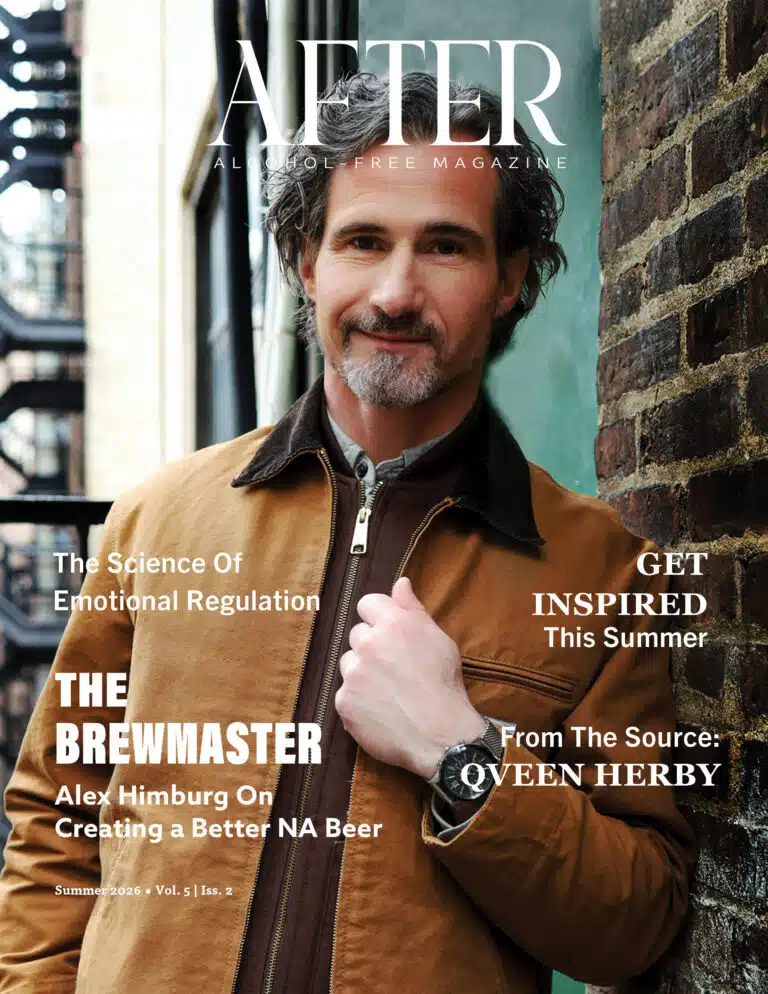
The market is also expanding beyond traditional wines. Aromatized and infused products, ready-to-drink formats, and seasonal offerings such as alcohol-free Glühwein are becoming more common. Carl Jung, for example, produces an herb-infused white wine, The Herby—a modern, flavor-forward aperitif infused with thyme, rosemary, oregano, and a hint of ginger—that showcases how flexible the category has become.
As the winery looks to the future, Teresa describes a commitment to both tradition and progress, working continuously to innovate and improve their products, methods, and technology while remaining true to generations of craftsmanship. This dedication includes a partnership with the world-famous Geisenheim University—a German university focused on viticulture, horticulture, and beverage science—to find ways to optimize the dealcoholization process and create new options in their growing product line.
In the broader market, Teresa says the company anticipates a growing availability of nonalcoholic wines in restaurants, expanded international distribution, and continued innovation in both dealcoholization technology and flavor development.
Ultimately, at the heart of the story is a simple intention: to ensure that everyone can participate in enjoying the best food and beverage with family and friends. Teresa emphasizes that the NA market is fundamentally about inclusiveness. Whether a person is sober, sober-curious, moderating, pregnant, driving, or simply selective, alcohol-free wine restores access to culinary and cultural experiences. This inclusivity is central to the mission at Carl Jung. Teresa adds, “There are occasions where you simply cannot drink alcohol. It’s fair that we offer people something just as good and crafted as the alcoholic options….We’re not trying to take anything away from anyone—only to find a way to all have a nice time together, equally.”
More than 100 years after the Jung family first asked whether wine could be enjoyed without alcohol, the answer continues to unfold across dining rooms, vineyards, and cultures, seemingly with a resounding “Yes!” The legacy that began with a single question in the Rheingau region of Germany has grown into a worldwide movement—one that blends science, craftsmanship, inclusivity, and the evolution of how we gather together. ***